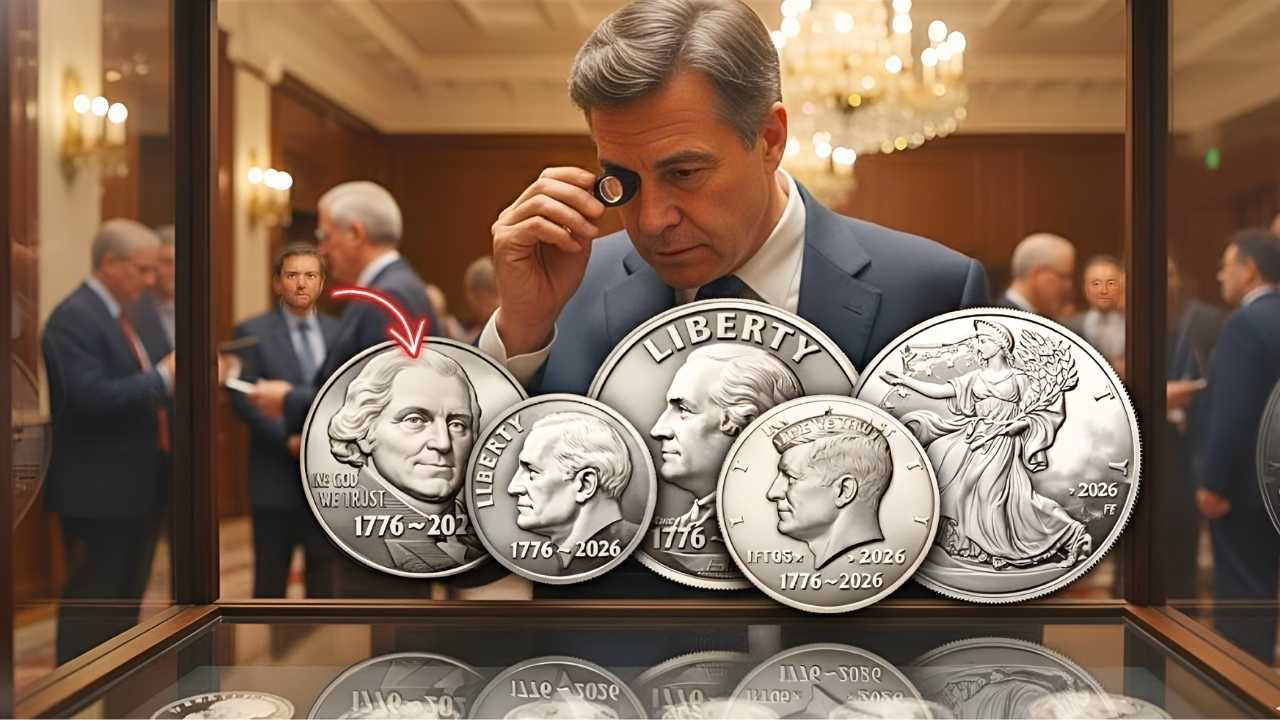
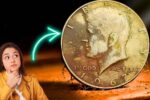
Kennedy Half Dollar Prices 2026 : The Kennedy Half Dollar is one of the most recognizable coins in American numismatics. First issued in 1964 to honor President John F. Kennedy after his assassination, the coin quickly became a symbol of national pride. Its design, featuring Kennedy’s portrait on the obverse and the presidential seal on the reverse, has remained largely unchanged. Over the decades, the coin has transitioned from a circulating currency to a collectible item, with certain dates and varieties commanding significant premiums in the market. In 2026, collectors continue to track values closely, and updated price charts provide insight into how these coins are performing.
The Early Silver Issues
The 1964 Kennedy Half Dollar is particularly important because it was struck in 90 percent silver. Millions were produced, but uncirculated examples and proof versions remain highly desirable. These coins are valued not only for their silver content but also for their historical significance as the first year of issue. In 2026, a typical circulated 1964 half dollar trades close to its silver melt value, while high-grade examples can reach $40 to $60. Proof versions, especially those with cameo contrast, often sell for $100 or more.
The 40 Percent Silver Years
From 1965 to 1970, Kennedy Half Dollars were struck in 40 percent silver. These coins are often collected as a group, and their value is tied to both silver prices and collector demand. The 1970-D issue is especially rare because it was never released into general circulation and was only available in mint sets. In 2026, the 1970-D remains a key date, often selling for $50 to $150 depending on condition. Other 40 percent silver issues generally trade closer to melt value, though pristine examples can command premiums.
The Clad Coinage Era
Beginning in 1971, Kennedy Half Dollars were struck in copper-nickel clad composition for circulation. While most of these coins are common and worth little more than face value, certain varieties and errors stand out. Doubled die obverse varieties from 1971-D and 1974-D are notable examples. In 2026, these error coins continue to attract strong interest, with prices ranging from $100 to several hundred dollars depending on grade and visibility of the doubling.
Bicentennial Issues
The 1976 Bicentennial Kennedy Half Dollar, featuring a dual date of 1776–1976 and a special reverse design of Independence Hall, remains popular among collectors. While circulation strikes are common, proof and silver-clad versions are more valuable. In 2026, silver Bicentennial halves often sell for $10 to $20, while proof versions with deep cameo finishes can reach $40 or more.
Modern Proof and Special Issues
The Kennedy Half Dollar has continued to be struck in proof and special collector editions. The 1998-S matte finish proof, issued in a commemorative set, is one of the rarest modern varieties. In 2026, it remains highly sought after, with values often exceeding $500. The 2014-W gold Kennedy Half Dollar, released for the coin’s 50th anniversary, is another modern rarity. Its value is tied to both gold prices and collector demand, often trading above $1,000. Enhanced reverse proofs from 2019 also remain popular, with prices ranging from $100 to $200.
Factors Influencing Value
Several factors determine the value of Kennedy Half Dollars. Condition is paramount, with coins graded MS65 or higher commanding significant premiums. Rarity of specific dates or varieties also plays a major role. Market demand, influenced by trends in collecting and precious metal prices, can cause fluctuations. Certification by reputable grading services adds credibility and often increases value, as buyers are more confident in the authenticity and quality of the coin.
Value Chart Overview
A simplified value chart for Kennedy Half Dollars in 2026 highlights the range of prices collectors can expect:
- 1964 Silver Issue: $15–$60 depending on grade, proofs $100+
- 1965–1969 40% Silver: $5–$20, with pristine examples higher
- 1970-D: $50–$150 depending on condition
- 1971-D Doubled Die: $100–$300 depending on clarity of doubling
- 1974-D Doubled Die: $150–$400 in higher grades
- 1976 Bicentennial Silver Proof: $20–$40
- 1998-S Matte Proof: $400–$600
- 2014-W Gold Issue: $1,000+ depending on gold price and demand
- 2019-S Enhanced Reverse Proof: $100–$200
This chart provides a snapshot of current market values, though prices can vary depending on specific coin condition and certification.
Collecting Strategies
For collectors, building a Kennedy Half Dollar set can be both rewarding and challenging. Beginners often start with circulation strikes, gradually adding silver issues and proofs. Advanced collectors focus on rare varieties and high-grade examples. Investing in certified coins ensures authenticity and protects value. Many collectors also enjoy the historical journey represented by the series, from the silver coins of the 1960s to the modern commemoratives of the 21st century.
Conclusion
The Kennedy Half Dollar remains a cornerstone of American coin collecting. In 2026, its values reflect both historical significance and modern collector demand. From the silver issues of 1964 to the gold commemoratives of 2014, each coin tells a story that resonates with numismatists. Updated value charts help collectors navigate the market, ensuring they understand the worth of their coins. Whether pursued as a hobby or an investment, the Kennedy Half Dollar continues to inspire passion and pride, making it one of the most enduring series in U.S. coinage.