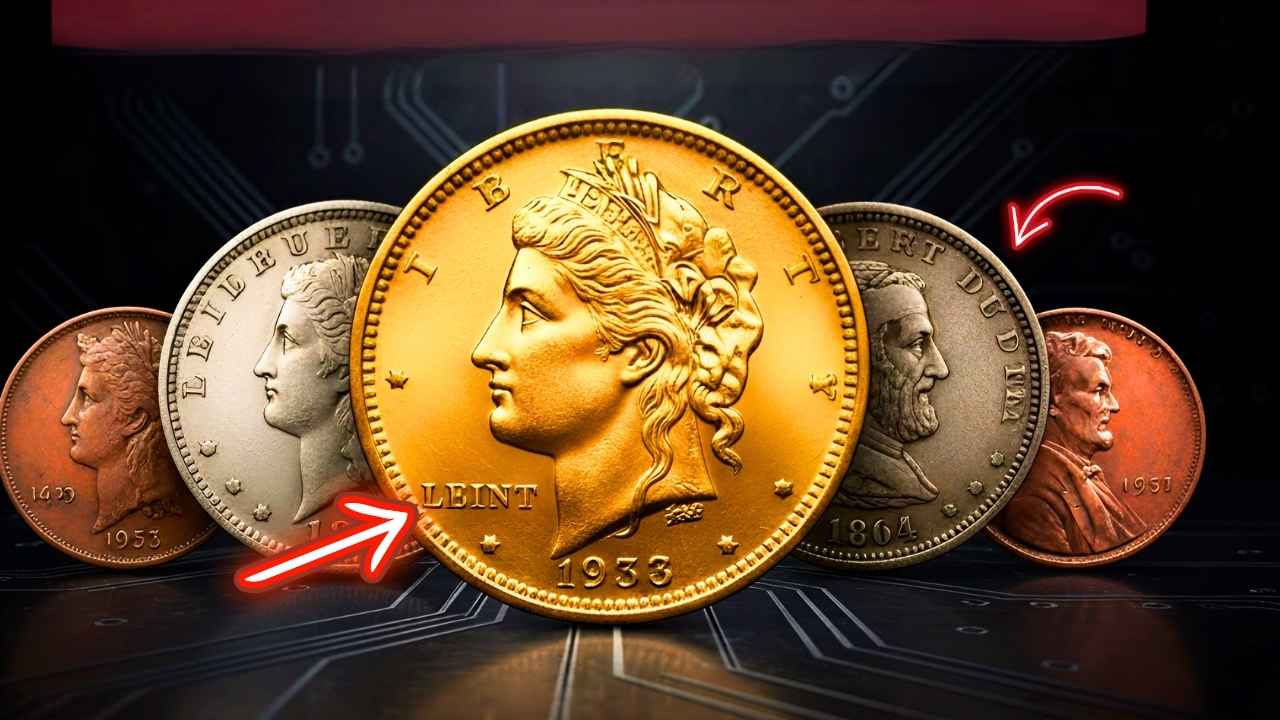
10 Rare Jefferson Nickel : The Jefferson Nickel, first introduced in 1938, has become one of the longest-running coin series in American history. Designed by Felix Schlag, it features a portrait of Thomas Jefferson on the obverse and his home, Monticello, on the reverse. While millions of nickels have been minted over the decades, certain dates, mintmarks, and varieties stand out as rare treasures. These coins are highly sought after by collectors and can command impressive prices in today’s market. Understanding which Jefferson Nickels are rare and valuable helps collectors build meaningful collections and recognize hidden gems.
1939 Doubled Monticello Reverse
One of the earliest rarities in the Jefferson Nickel series is the 1939 doubled die reverse. This variety shows noticeable doubling in the word “Monticello” and “Five Cents.” Because it was produced in limited numbers, it remains a prized coin among collectors. In high grades, it can sell for hundreds of dollars, making it a cornerstone of any Jefferson Nickel collection.
1942-D Over Horizontal D
The 1942-D over horizontal D is a fascinating minting error where the Denver mintmark was punched twice, once horizontally and then corrected. This variety is rare and visually distinctive, attracting strong interest from collectors. Depending on condition, it can command values ranging from $100 to several hundred dollars.
1942 Wartime Silver Nickels
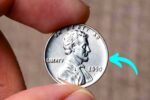
During World War II, nickel was a critical material for military production, so the U.S. Mint changed the composition of the coin to include 35 percent silver. These wartime nickels, struck from 1942 to 1945, are identifiable by the large mintmark above Monticello. While common in circulated condition, uncirculated examples and certain dates, such as the 1943-D and 1944-S, are more valuable. Their silver content also adds intrinsic worth.
1949-D Jefferson Nickel
The 1949-D is considered a key date in the series due to its relatively low mintage. Finding this coin in high grades is challenging, and collectors are willing to pay significant premiums for well-preserved examples. In mint state condition, values can exceed $100, making it one of the more desirable post-war nickels.
1950-D Jefferson Nickel
Perhaps the most famous rarity in the series, the 1950-D Jefferson Nickel had the lowest mintage of any circulation strike, with just over 2.6 million produced. Initially hoarded by collectors, it remains a highly sought-after coin. In uncirculated condition, it can sell for several hundred dollars, and certified high-grade examples can reach into the thousands.
1964 Special Mint Set Nickels
The 1964 Special Mint Set nickels are among the most mysterious issues in the series. Produced in very limited numbers, they were not officially released to the public but have surfaced in numismatic circles. Their rarity and unusual origin make them highly collectible, with values often exceeding $1,000 depending on condition.
1971 No S Proof Nickel
In 1971, a small number of proof nickels were struck without the “S” mintmark of the San Francisco Mint. These “No S” nickels are extremely rare and valuable. Because they were errors, only a handful exist, and they can sell for thousands of dollars at auction. They are considered one of the most important modern rarities in the Jefferson Nickel series.
1975 No S Proof Nickel
Similar to the 1971 issue, the 1975 proof nickel also has a rare “No S” variety. These coins were mistakenly struck without the mintmark, making them exceptionally scarce. Collectors prize them for their rarity, and values often exceed $1,000, depending on grade and certification.
1994-P Doubled Die Reverse
The 1994-P doubled die reverse is a modern variety that shows doubling in the inscriptions on the reverse. While not as well-known as earlier doubled dies, it remains a fascinating coin for collectors who appreciate minting anomalies. In high grades, it can command strong premiums, adding diversity to a Jefferson Nickel collection.
2000-P Jefferson Nickel with Reverse Doubling
The 2000-P doubled die reverse is another modern rarity. Doubling is visible in the lettering, making it a distinctive variety. While relatively recent, these coins are scarce and attract attention from collectors who specialize in error coins. Values vary depending on condition but can reach into the hundreds for certified examples.
Factors That Influence Value
Several factors determine the value of Jefferson Nickels. Rarity is the most important, with low mintage coins and error varieties commanding higher prices. Condition also plays a crucial role, as coins graded MS65 or higher are significantly more valuable than circulated examples. Market demand, influenced by collector interest and trends, can cause fluctuations in value. Certification by reputable grading services adds credibility and often increases the price of a coin.
Collecting Strategies
For collectors, building a Jefferson Nickel set can be both rewarding and challenging. Beginners often start with circulation strikes, gradually adding silver wartime nickels and key dates. Advanced collectors focus on rare varieties and high-grade examples. Investing in certified coins ensures authenticity and protects value. Many collectors also enjoy the historical journey represented by the series, from wartime issues to modern minting errors.
Conclusion
The Jefferson Nickel series offers a fascinating blend of history, artistry, and rarity. From the doubled die varieties of the 1930s to the modern “No S” proof errors, each rare coin tells a story that resonates with collectors. Owning one of these ten rare Jefferson Nickels is more than just possessing a coin; it is holding a piece of history that reflects the evolution of U.S. coinage. For collectors, these coins represent both a challenge and a dream, inspiring the pursuit of numismatic excellence.